A brief report
On June 9th, 2026, the heatengage project team organized a one-day stakeholder workshop bringing together 16 representatives from government and policy sectors, the private sector, the media, civil society organizations, labour unions, and community members to present the project’s fieldwork outcomes, solicit stakeholder insights into the findings, and set a strategic direction for addressing extreme heat in urban Accra.
The workshop was held at the AH Hotel and Conference in Accra, Ghana.
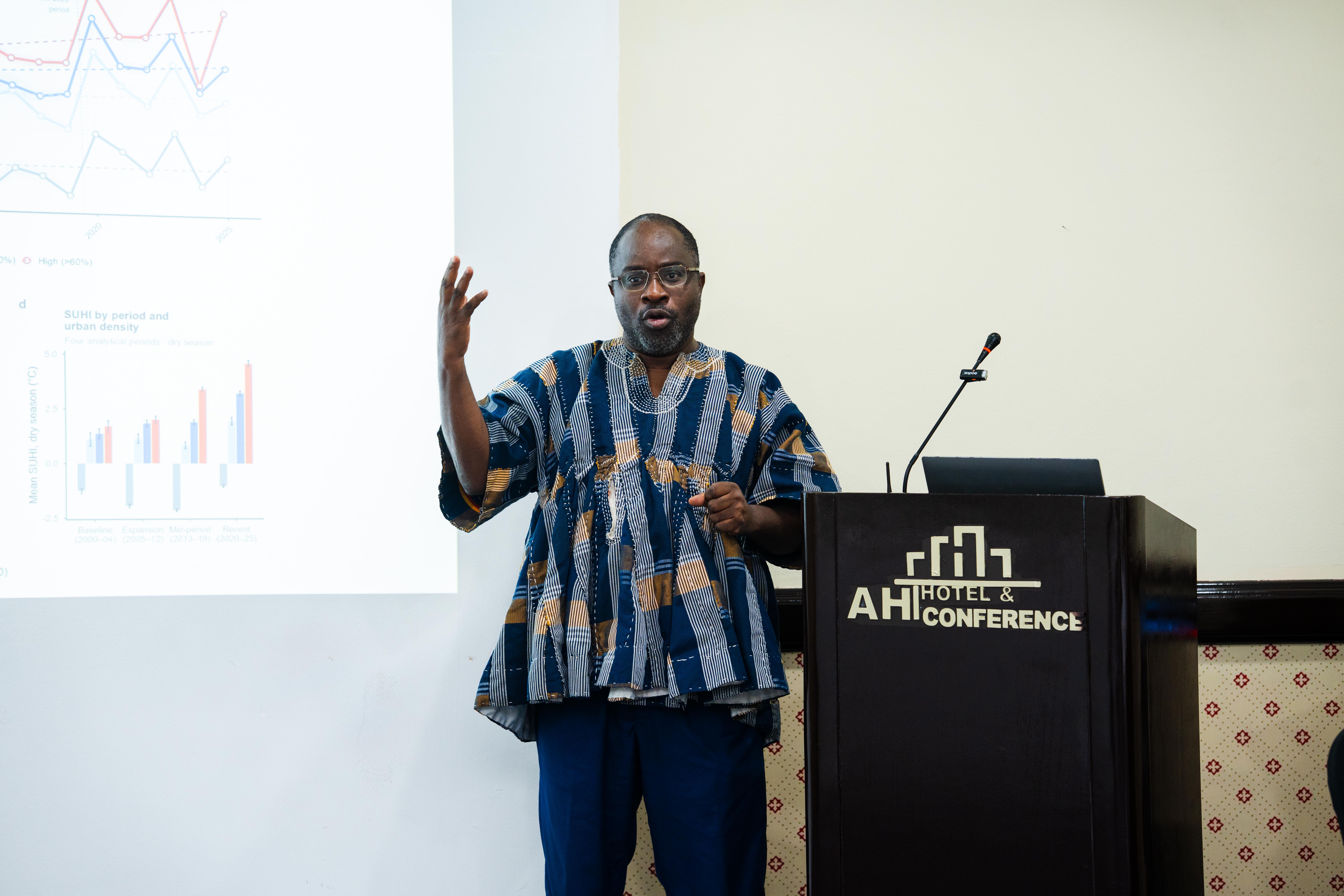
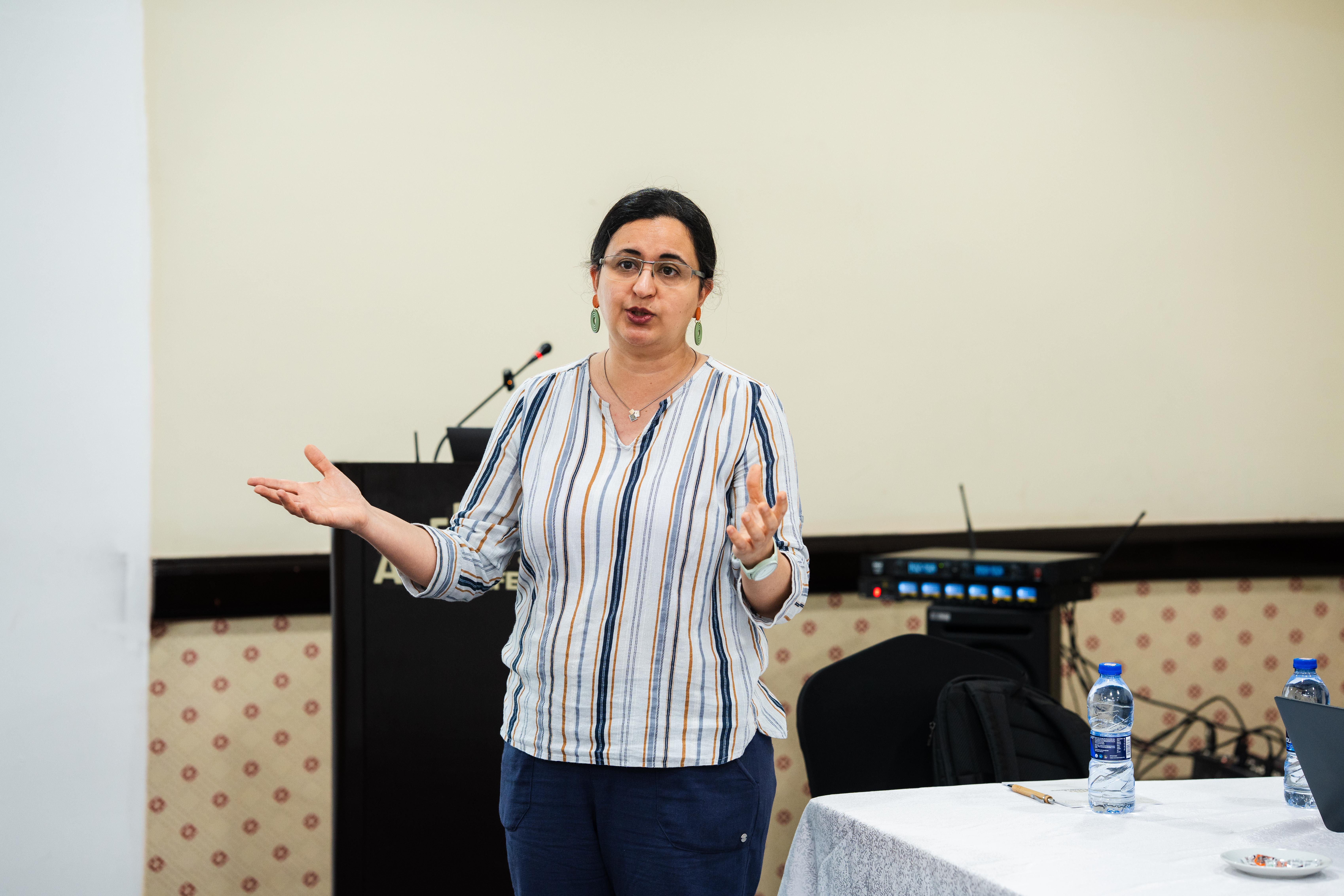
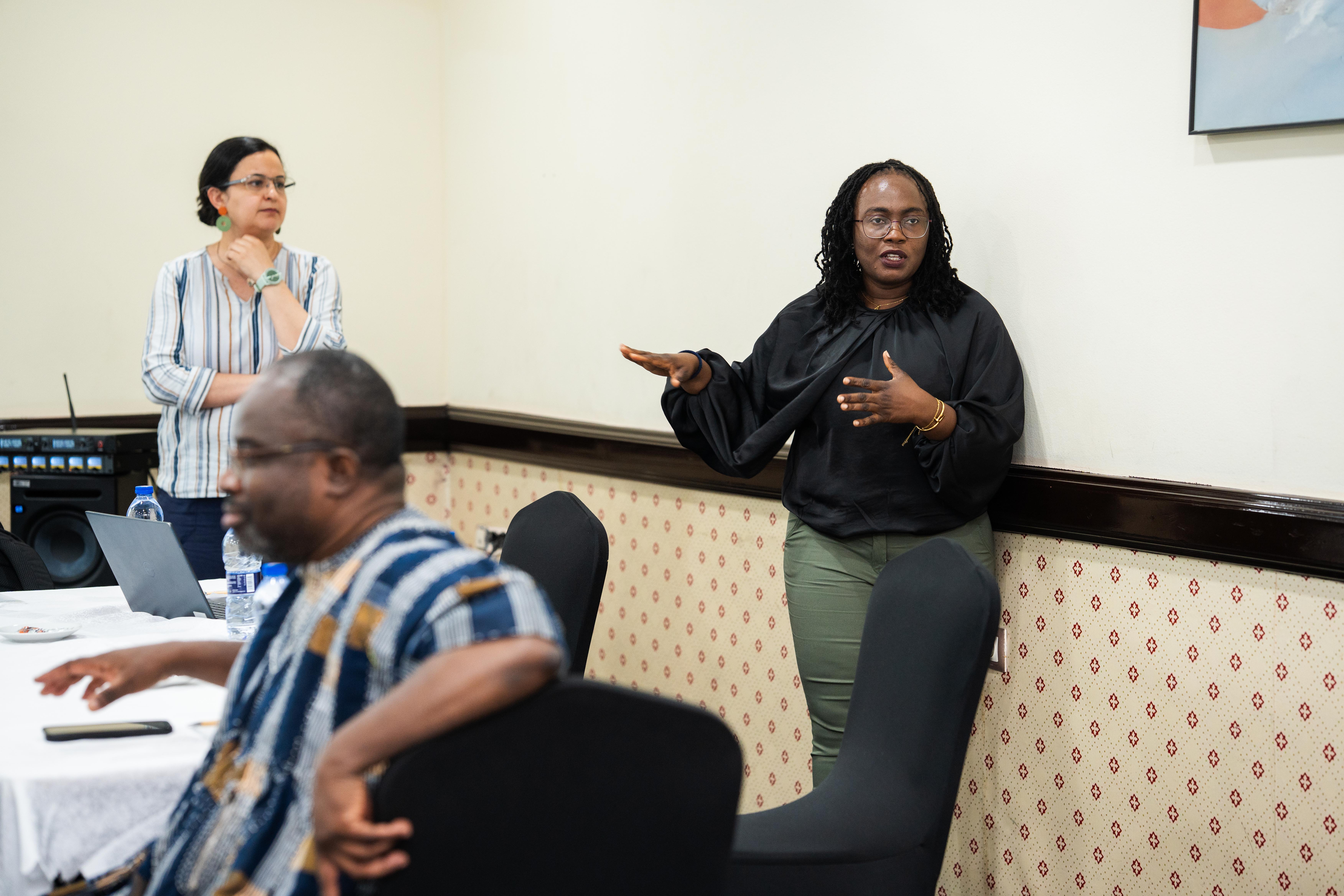
The project team is giving the presentations (Prof. Armah (left), Associate Prof. Nastar (middle) , Dr Odoi (right))
The workshop started off with a presentation by the project team, including a 15-year analysis of urban heat island effects within the selected study communities; interviews with residents in those communities regarding the impacts of heat and adaptation practices; and a review of heat-related policies and measures in Ghana.
Following the presentation, the workshop’s participants discussed three main questions in groups of 4-6, regarding the current research gaps in the project, the obstacles to heat adaptation, and what they believe must be prioritised in their field of work to ensure that heat adaptation strategies in Accra do not leave vulnerable people behind.
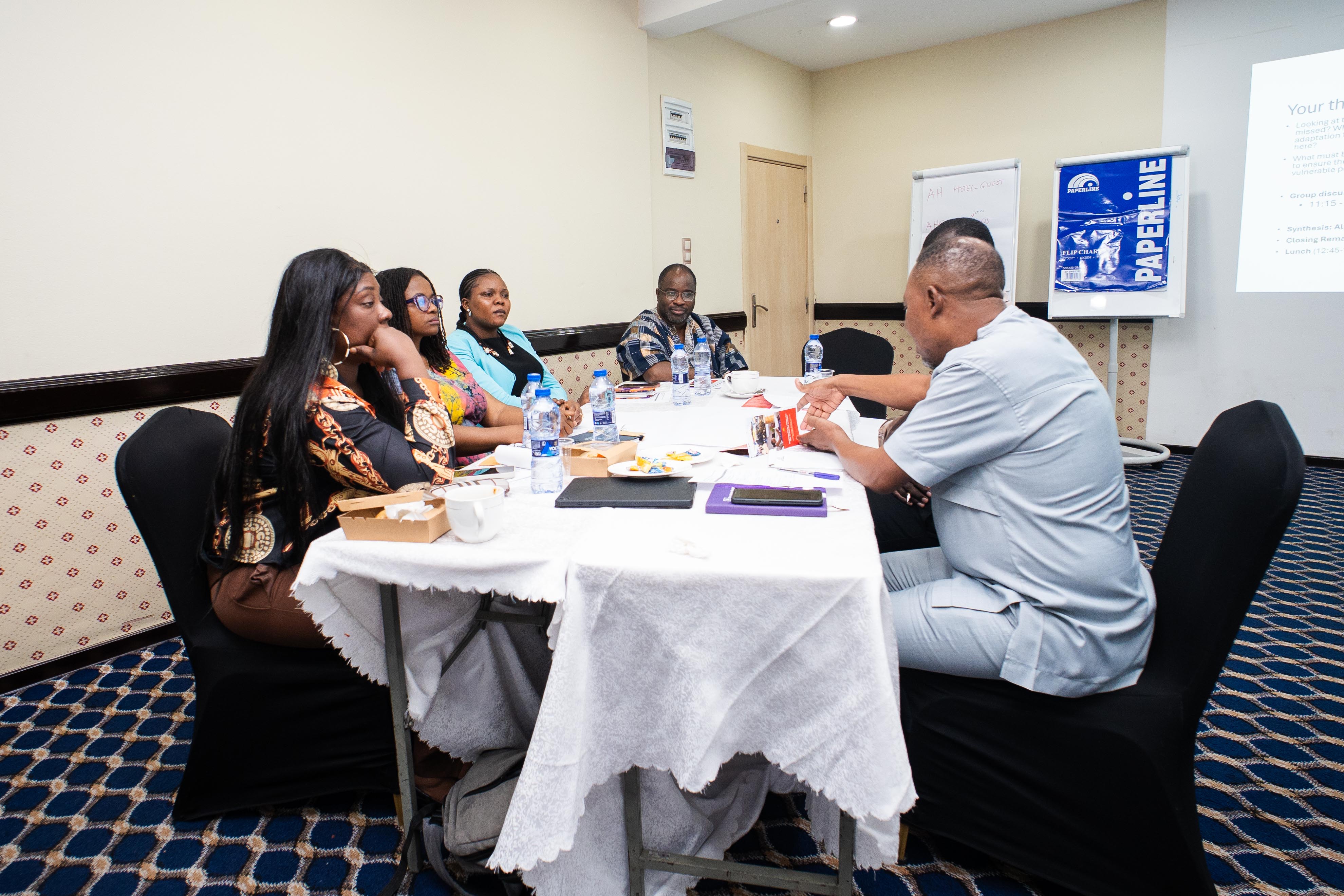
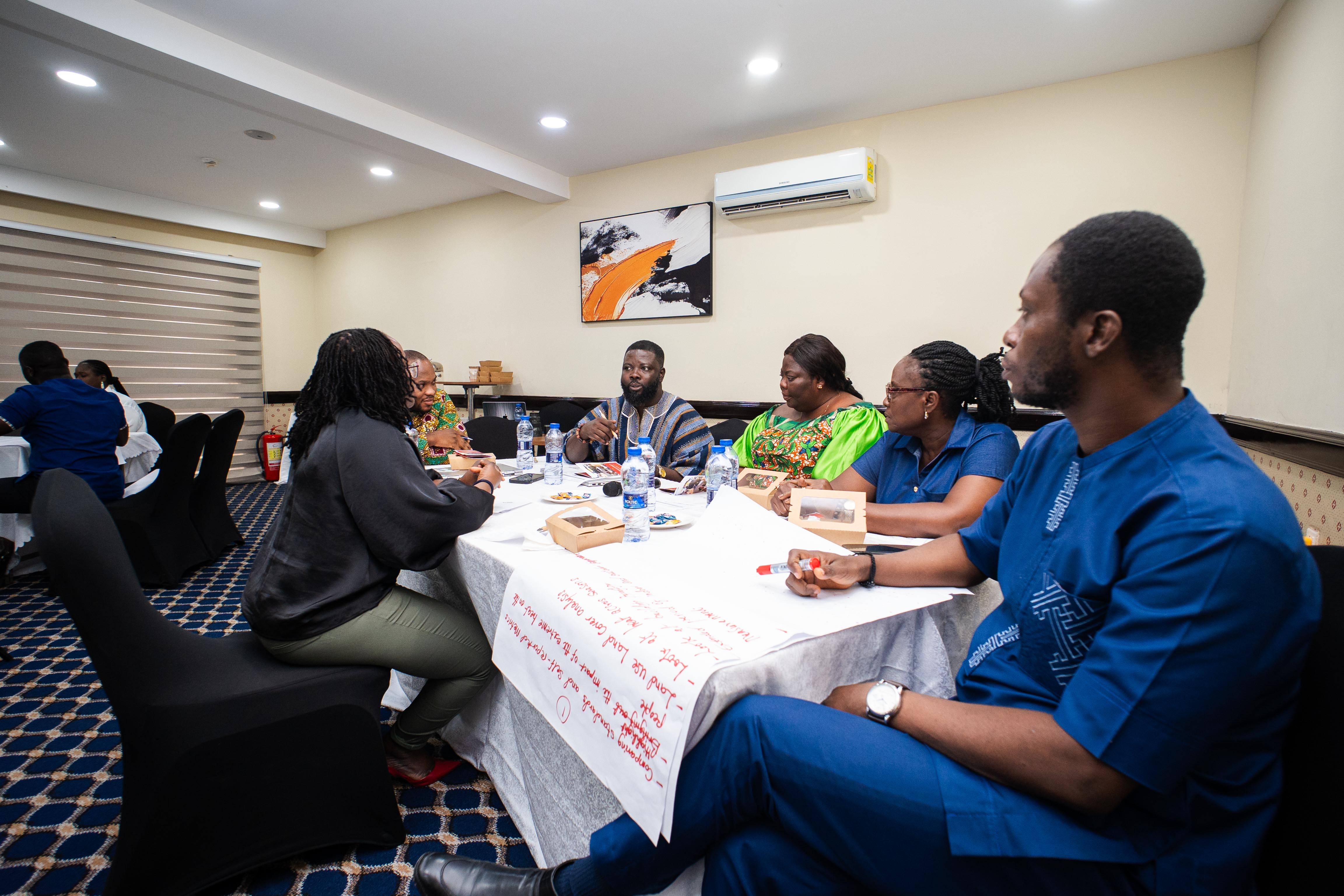
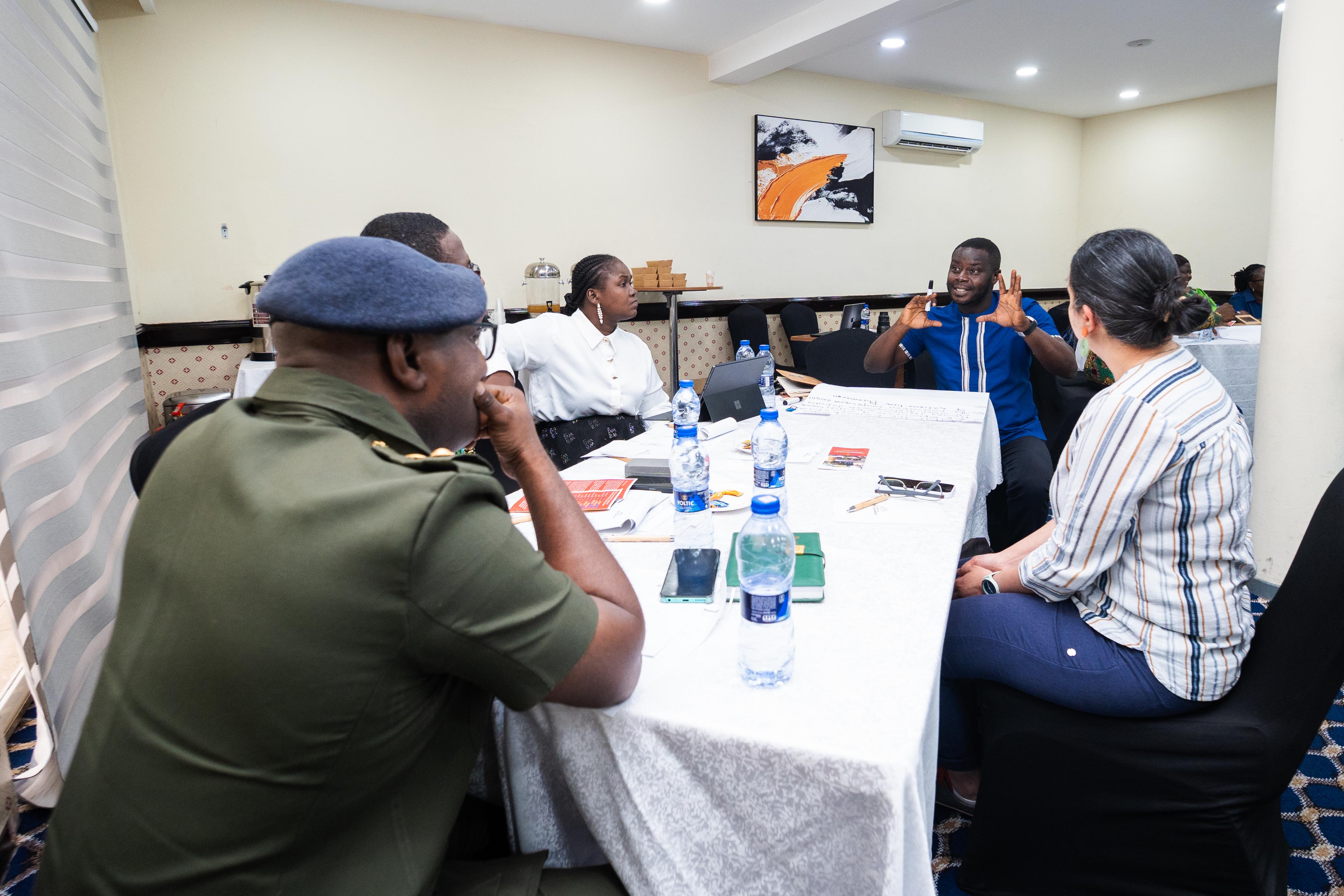
Group discussions by the participants
Feedback from stakeholders underscored a range of areas for future research and consideration, including potential barriers that may currently impede effective adaptation to extreme heat and practices to promote inclusive responses. Inputs for further consideration include gender and reproductive health issues, such as the lived experiences of pregnant and menopausal women, and respondents’ knowledge about adherence to building requirements. Participants, in discussing barriers, highlighted the challenges associated with the building materials used to meet building requirements and the lack of political will from government and institutions to implement policies.
Here are some of the participants’ reflections:
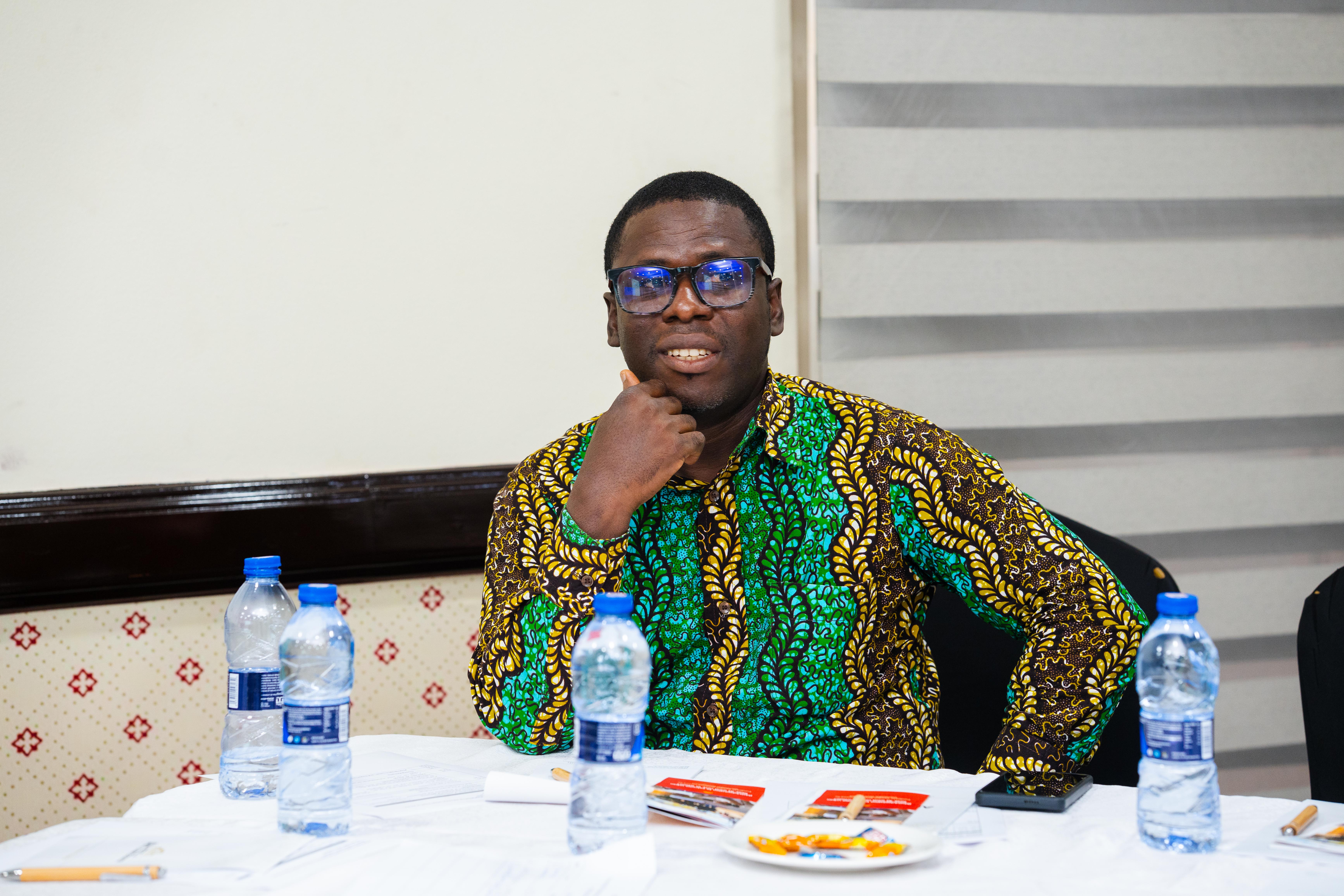
… I know heat issues are very important, but I think the graphs and the video have made them much more so. Because often we explain the increasing heat away, attributing it to climate change, but I like the way you have been able to narrow it down…
… What we discussed is that these (pathways) are not just limited to heat adaptation; they go all the way to connect to other climate issues; therefore, our climate work and research should consistently emphasise the interconnection…
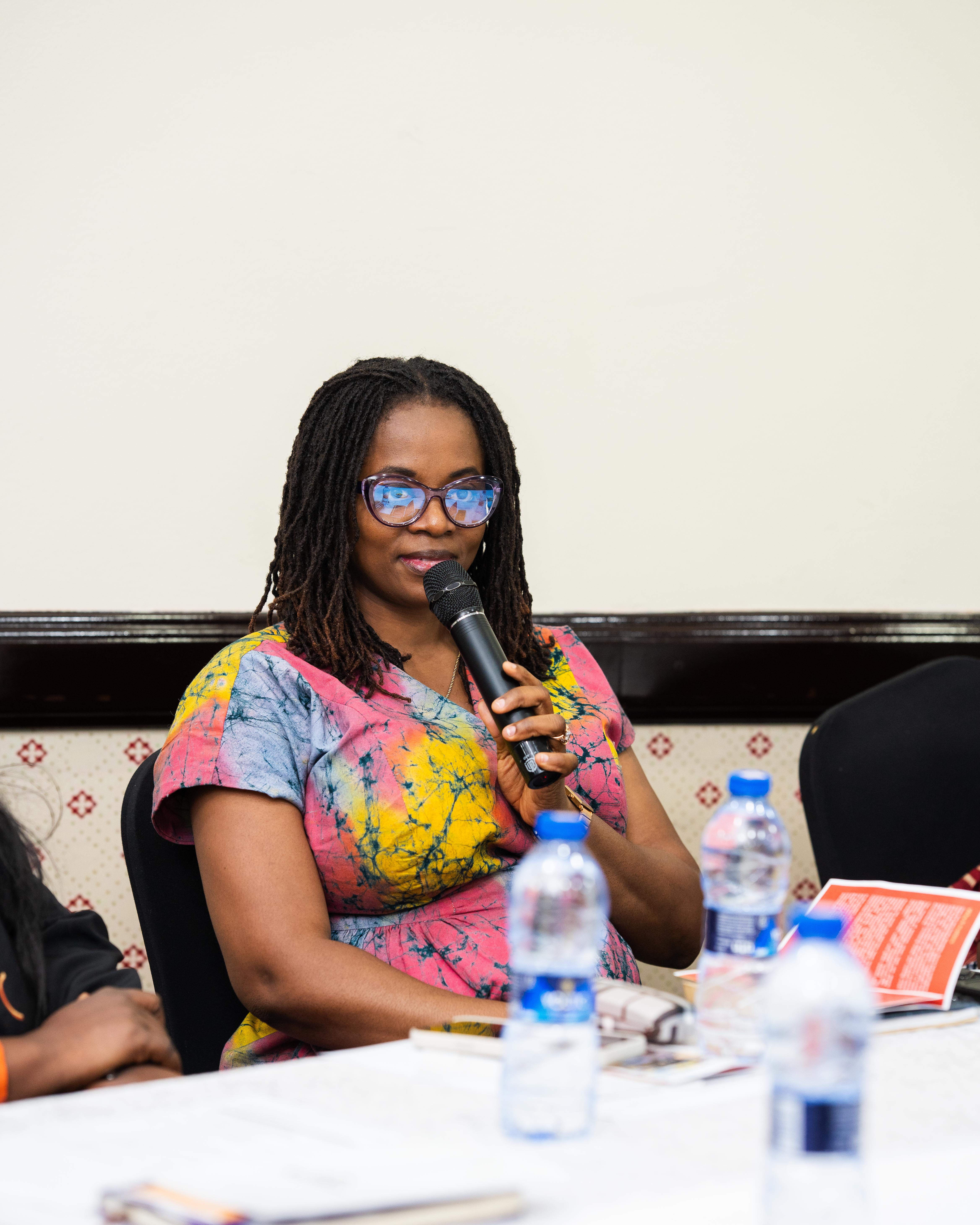
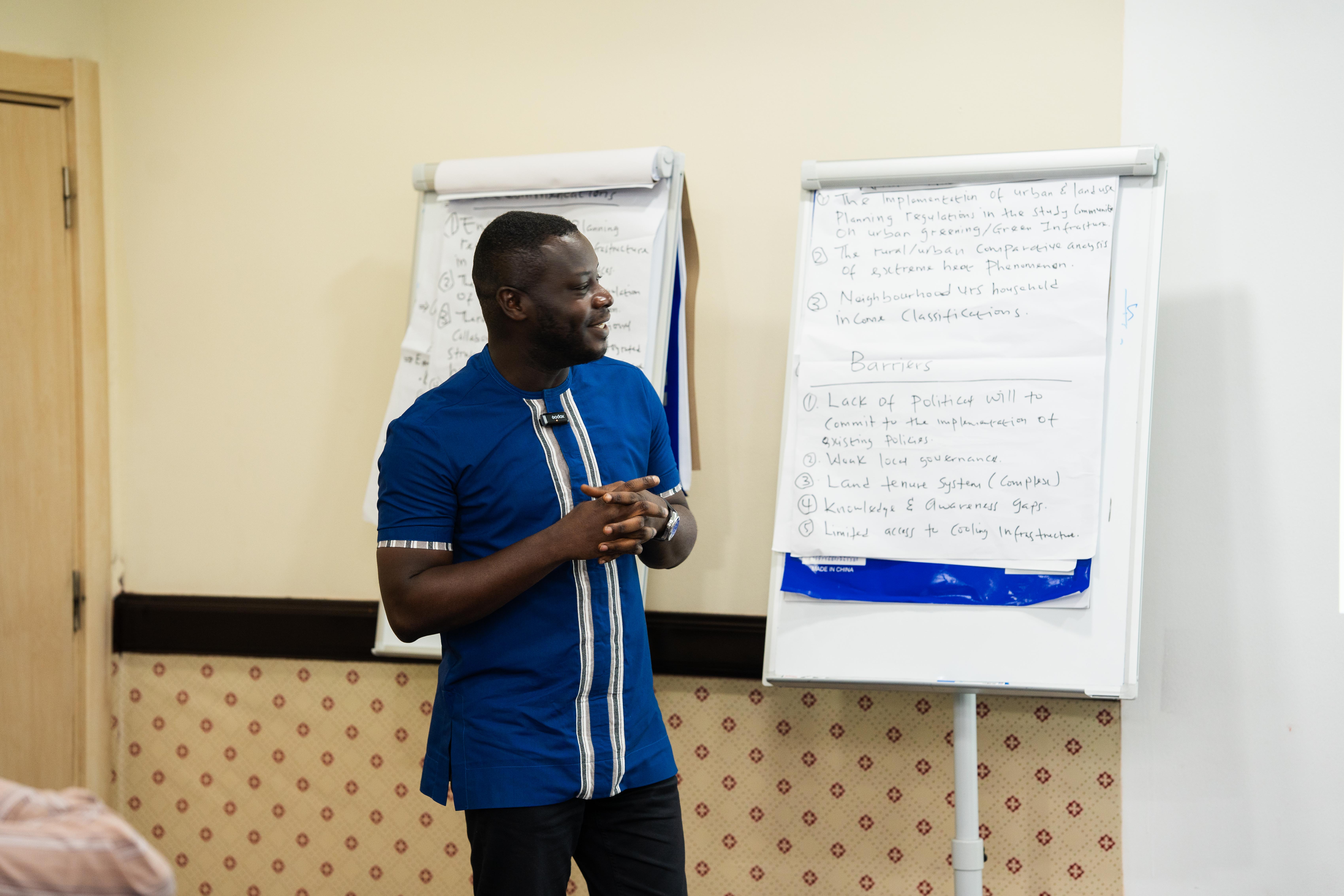
… Lack of political will is a barrier. Politicians are not willing to implement existing policies related to planning regulations…
…You can have trees around and still feel the heat. You should follow the height requirements for buildings…
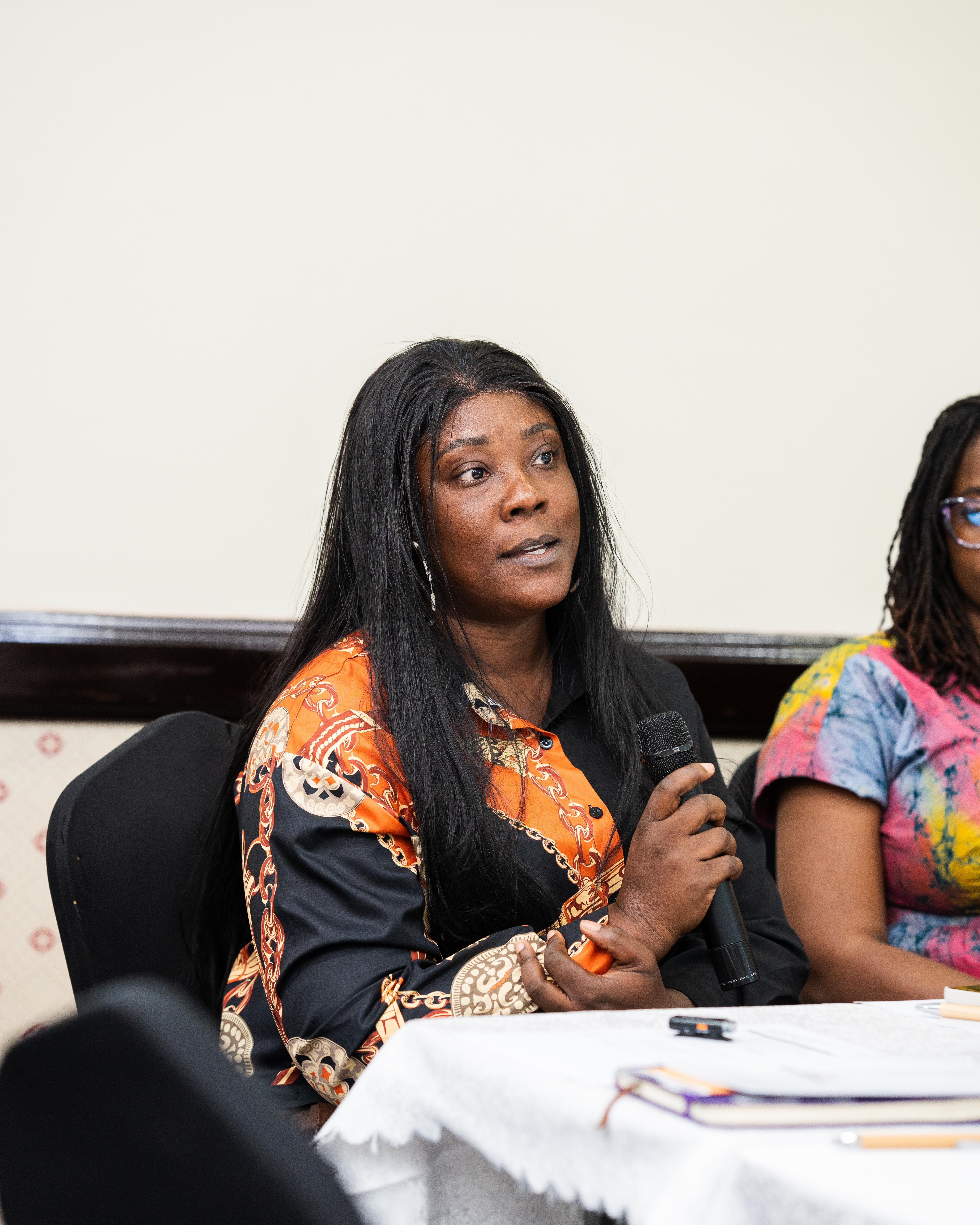
In discussing strategies to address extreme heat adaptation challenges within their respective sectors, the participants also underscored the necessity of household-level socio-economic vulnerability assessments, rather than community-level ones, and advocated for the effective implementation of social connection subsidies for water and electricity to support vulnerable populations. The meeting concluded with commendable recommendations for addressing extreme heat in Accra, Ghana.
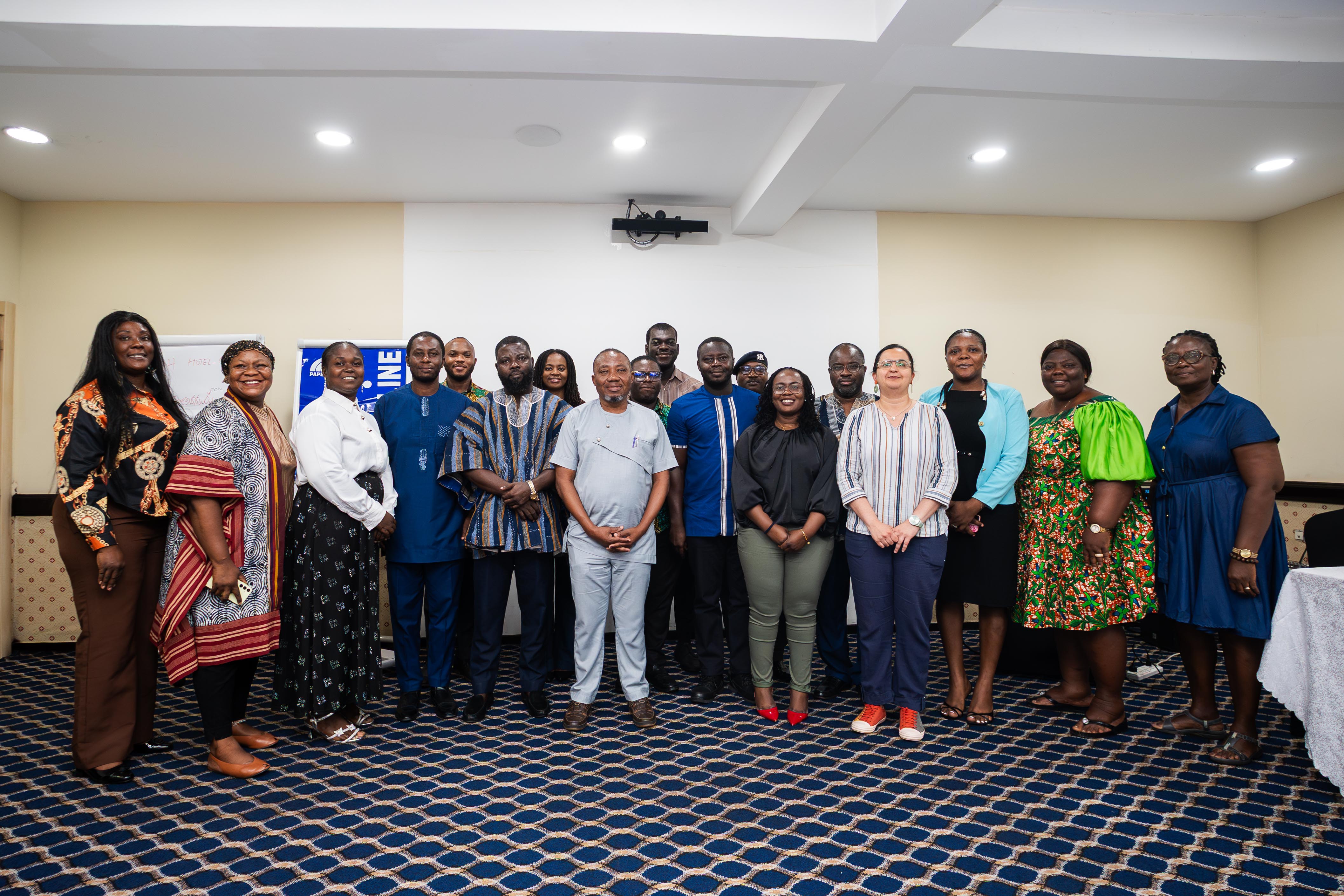
List of Workshop participants
- Ms. Bashiratu Muslim, Gender and Safeguarding Officer, General Agricultural Workers Union (GAWU), Ghana
- Dr. Benny Arkhurst, Deputy Director, Land Use and Spatial Planning Authority, Head Office
- Dr. Bertha Kusimi, Chief Disaster Control Officer, NADMO, Ghana
- Dr. Elvis Kyere Gyeabuor, Portfolio Manager, Breathe cities/Clean Air Fund
- Dr. Eric Sefa Boye, Headmaster, Forces Senior High Technical School
- Mr. Isaac Yaotey Ako Jnr, Principal Industrial Research Officer, Public Utility Workers Union (PUWU)
- Ms. Josephine Agbeko, Independent Consultant, Urban Climate Resilience
- Mr. Joseph Portuphy, Deputy Director, GMET
- Ms. Joy Ohaegbu, Executive Director, Gen-care Ghana
- Mr. Mawunyo Kwami Kofiloto, Ghana Water Company Ltd
- Mr Leonard Shang-Quartey, Coordinator, Africa Water Justice Network
- Mr. Mark Akoto-Senaman, Business Analyst, Sophron Technologies
- Mr Nii Okai Sekyere, Citi FM/Channel1 TV
- Ms. Sophia Asante, Ignite Her Construction
- Ms. Vivian Achel, Municipal Director, National Commission for CIVIC Education, Okaikwei North Municipality
- Madam Rosina Beima, Community Member from Chemunaa & Chorkor
And the project team:
- Maryam Nastar (PI), Associate Professor in Sustainability Science, Lund University Center for Sustainability Studies
- Frederick Ato Armah, Professor of Environmental and Sustainability Science, University of Cape Coast
- Amanda Odoi, Postdoctoral Researcher, Lund University Center for Sustainability Studies


Leave a comment