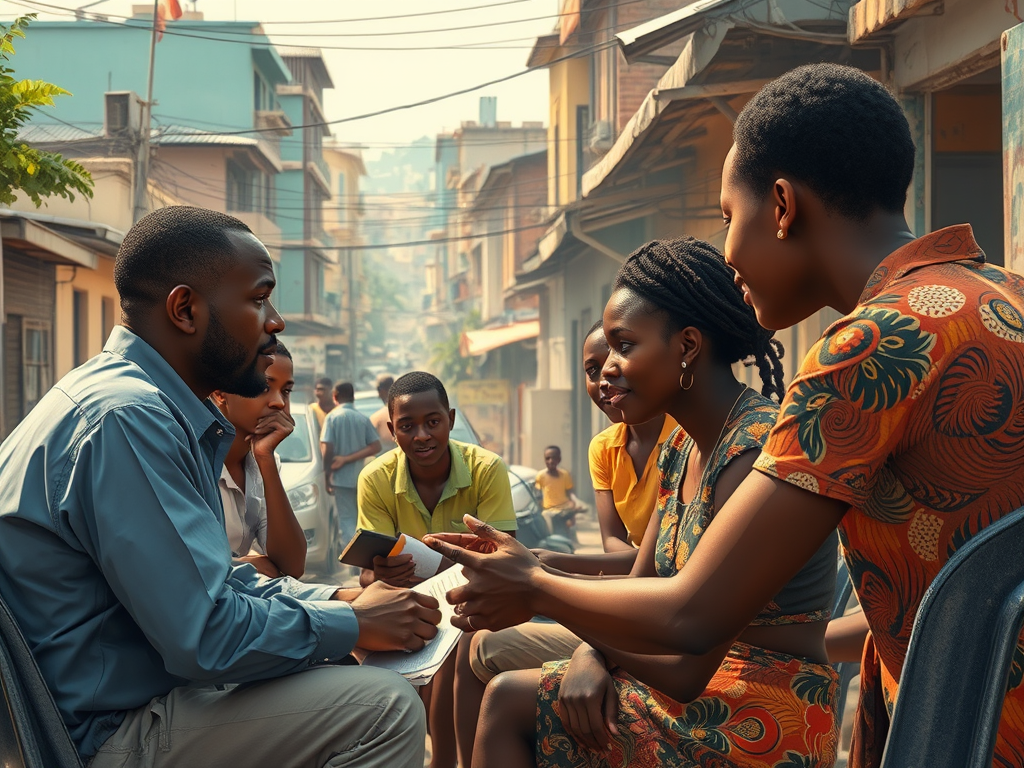
Between January and June 2025, the project carried out its qualitative data collection in the Greater Accra region. Data was collected from formal and informal spaces in nine (9) high, middle, and low-income communities in Accra. These include individual interviews and focus group discussions in residential spaces and workplaces with students, teachers, traders, and heads of government institutions. The communities were selected to aid in
The fieldwork aimed to investigate people’s knowledge and understanding of extreme heat, the impact of heat, adaptation strategies being employed, the sources of knowledge of techniques used, factors informing the choice of strategy, the effectiveness or otherwise of the adaptation strategies, and propose solutions. Data transcription and analysis are currently underway. Preliminary findings show participants have a deep understanding of changing weather and extreme heat in Accra. Across all communities and categories of respondents, participants note an increase in temperature, which is impacting their health, learning, work productivity, and finances. Nevertheless, there are variations in how people are dealing with the heat and its impact. Adaptation measures and their effectiveness are not equal across groups. The data reveal that the nature of the job, community of residence, access to resources, and control over these resources, such as ownership of the place of residence, are key factors in adaptation
 HEATENGAGE
Leave a comment